

Elevating Home & Kitchen Spaces With Purpose, Comfort, and Long Lasting Functionality

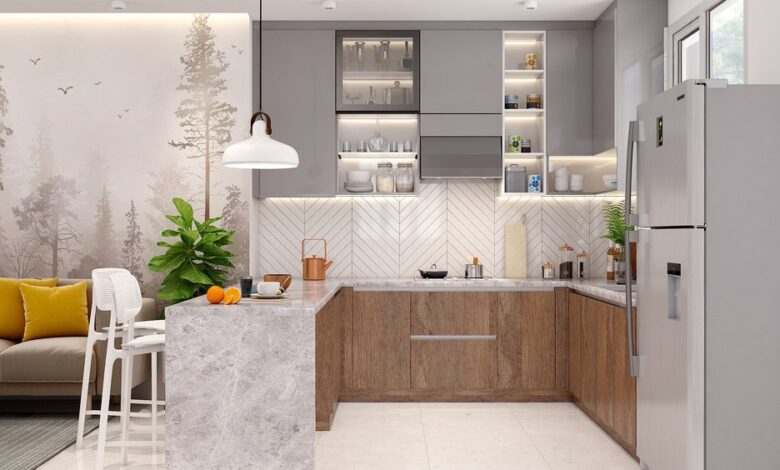
The Evolving Role of the Modern Home & Kitchen
Today’s Home & Kitchen environment is more than a collection of rooms. It represents a living system where comfort, efficiency, and design work together to support everyday routines. As homeowners across the United States continue to prioritize wellness, convenience, and long term value, the way they plan, build, and upgrade their home interiors has changed dramatically. The kitchen has become a multifunctional hub that supports cooking, conversation, work, and entertainment, while the broader home interior has grown into a personal sanctuary focused on practicality and emotional well being.
This shift has sparked a greater emphasis on intuitive layouts, energy conscious choices, durable materials, and adaptable designs. Whether a homeowner is renovating a long loved property or preparing a modern space from the ground up, understanding how Home & Kitchen systems interact with daily living is essential for achieving comfort and consistency.
Building a Functional Foundation for Home Interiors
A well organized home interior starts with thoughtful planning. Structure, placement, and flow influence how naturally a space supports its occupants. Practical improvements often begin with an understanding of how people move through the home and which tasks occur in each area.
Understanding Lifestyle Flow
A strong layout improves efficiency and reduces everyday stress. When planning a Home & Kitchen setup, consider how daily behavior shapes the space.
Key factors include:
- The number of people using the space
- Meal preparation habits and frequency
- Work from home requirements
- Accessibility for children, guests, or older adults
- Storage needed for cooking, cleaning, and leisure activities
When the space is designed around habit patterns, both functionality and comfort increase significantly.
The Importance of Long Term Planning
Home upgrades should serve long term goals, not short lived trends. A durable and low maintenance approach supports consistent performance without requiring frequent replacements.
Long term planning involves:
- Selecting materials that resist moisture, stains, and heat
- Ensuring cabinetry and flooring can withstand years of use
- Choosing appliances that support evolving technology
- Prioritizing storage flexibility as needs change
- Anticipating future layout adjustments or additions
When a home is prepared for long term use, homeowners save money, reduce stress, and build an environment that matures gracefully with them.
Key Components of a Well Designed Kitchen
The kitchen affects the home more than any other interior space. From meal preparation to morning routines, it sets the tone for daily life.
Strategic Kitchen Layouts
A well structured layout improves safety, flow, and efficiency. Popular configurations include:
- L shaped layouts that support seamless movement
- U shaped layouts that offer maximum counter space
- Galley kitchens designed for efficient cooking in smaller spaces
- Open concept kitchens that connect food preparation with living areas
The ideal layout encourages uninterrupted movement between the sink, stove, and refrigerator. This classic work triangle concept remains practical even in modern designs.
High Performance Appliances
Appliances are the engines behind an efficient kitchen. While aesthetic considerations play a role, performance and durability matter most. Homeowners typically prioritize:
- Heat consistent ovens
- Responsive cooktops with precise temperature control
- Refrigerators with humidity management
- Dishwashers that optimize water usage
- Ventilation systems that manage smoke and grease
Energy efficiency is increasingly important, not only for lowering bills but for reducing long term wear on mechanical components.
Surfaces Built for Heavy Use
Kitchen surfaces endure consistent impact, heat, and moisture. Homeowners often look for:
- Countertops that resist scratches and stains
- Flooring with long term durability
- Backsplashes that clean easily
- Cabinets that tolerate daily handling without warping
The combination of structural integrity and aesthetic appeal creates a kitchen that remains beautiful and functional for decades.
Creating a Comfortable and Purposeful Home Interior
Beyond the kitchen, the broader home environment influences daily comfort and long term wellbeing. Every room should support a specific function while maintaining cohesion with the overall design.
Living Spaces That Support Daily Comfort
Living rooms are central gathering places. Thoughtfully designed spaces provide:
- Seating that supports long duration comfort
- Natural lighting that energizes during the day
- Soft lighting for evening relaxation
- Storage that reduces clutter without overwhelming the room
- Smart layouts that allow conversation and movement
The goal is to create a space that feels warm, inviting, and practical.
Bedrooms That Promote Rest and Routine
Bedrooms influence physical and mental health. Homeowners often prioritize:
- Mattresses and bedding that support ergonomic rest
- Window treatments that regulate light
- Air flow and temperature regulation
- Noise reduction for uninterrupted sleep
- Storage that preserves a calm environment
A well designed bedroom can dramatically improve daily energy and overall wellness.
Bathrooms Designed for Convenience
Modern bathrooms combine functionality with comfort. Important features include:
- High quality fixtures resistant to moisture buildup
- Proper ventilation to prevent mold
- Storage for personal care products
- Non slip flooring for safety
- Efficient water usage systems
Bathrooms with thoughtful layouts support efficient routines and long term home value.
Storage Solutions That Simplify Everyday Life
Storage is one of the most influential factors in maintaining a clean, functional home. Homeowners benefit from systems that adapt to changing needs.
Smart Storage Approaches
Effective storage should:
- Keep frequently used items within easy reach
- Reduce visual clutter
- Maximize vertical height
- Support long term organization
- Protect delicate or seasonal items
Examples include pull out pantry shelves, adjustable cabinet inserts, closet systems, and under bed storage designs.
Hidden or Built In Storage
Built in storage creates a cleaner and more cohesive visual experience. Options include:
- Wall integrated shelving
- Built in seating with under bench storage
- Custom cabinetry in living or dining rooms
- Concealed charging stations for electronics
These features help maintain order while preserving the aesthetic harmony of the space.
Improving Indoor Air Quality and Environmental Comfort
Indoor comfort is shaped by the quality of the air, temperature consistency, and humidity levels.
Factors That Influence Indoor Air Quality
- Airborne particles from cooking or cleaning
- Carbon dioxide accumulation in closed rooms
- Volatile organic compounds released from materials
- Outdoor pollutants entering through openings
- Moisture imbalances that encourage microbial growth
Homeowners can improve indoor air by using air purifiers, ensuring proper ventilation, and maintaining filters in home systems.
Climate Control and Energy Efficiency
Regulating temperature and humidity influences comfort and reduces utility costs.
Effective systems include:
- Programmable thermostats
- Zoned heating or cooling
- High efficiency HVAC setups
- Ceiling fans for natural airflow
- Proper insulation in walls and attic spaces
Together, these components create a stable and comfortable living environment.
Lighting Techniques That Support Daily Routines
Lighting affects productivity, mood, and ambiance. A layered lighting strategy enhances the functionality of each space.
Types of Lighting to Consider
- Ambient lighting provides general illumination
- Task lighting assists with activities such as cooking or reading
- Accent lighting highlights architecture, art, or décor
- Natural lighting improves energy and reduces artificial light usage
Balancing these elements creates a home that functions smoothly throughout the day.
Trends Shaping the Future of Home & Kitchen Design
Home design is continually evolving as lifestyles shift and technology improves.
Emerging trends include:
- Multi zone kitchens with separate prep areas
- Flex rooms that transition between work and relaxation
- Integrated lighting and climate control systems
- Durable materials that mimic natural textures
- Hidden storage that maximizes floor space
- Designs centered on mental wellness and sensory comfort
These trends reflect a growing desire for harmony, efficiency, and personalization.
FAQ
What is the most important factor when designing a kitchen layout?
The most important factor is workflow. A well designed layout allows seamless movement between the sink, stove, and refrigerator, reducing effort and improving safety during meal preparation.
How can I improve indoor comfort without major renovations?
Updating lighting, improving airflow with fans, adding rugs for insulation, and adjusting window treatments can significantly improve comfort without major structural changes.
What materials work best for high use kitchen surfaces?
Materials that resist heat, moisture, stains, and scratches perform best. Options include strong composite materials, sealed natural surfaces, and durable laminates designed for heavy use.
How do I maximize storage in a small home?
Use vertical shelving, multifunctional furniture, under bed storage, pull out cabinet inserts, and wall mounted organizers to increase capacity without creating clutter.
What upgrades offer the best long term value for home interiors?
Kitchens with durable appliances, energy efficient climate systems, long lasting flooring, and optimized storage typically offer the highest long term value for both daily living and resale potential.


