

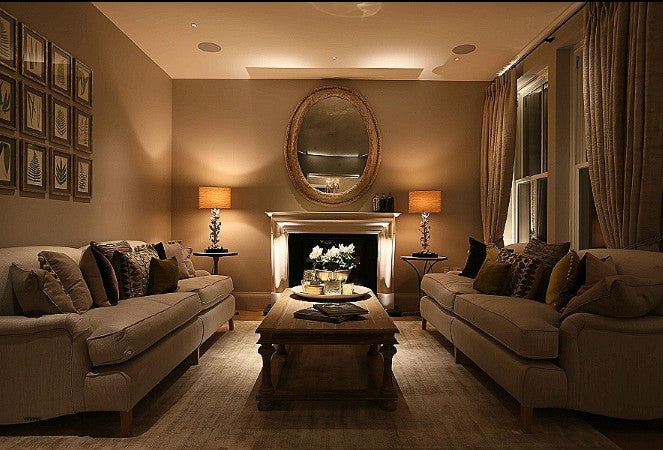
Why Lighting Plays a Central Role in Modern Living
Lighting is one of the most influential elements in any environment. Whether someone is designing a home, updating a commercial space, or improving a workspace, Lighting determines how people feel, move, and interact with their surroundings. Within the first moments of entering a room, light affects mood, energy, visibility, and even the perceived size of the space. Because of this, lighting must be treated as a core design component rather than an afterthought.
Homeowners across the United States increasingly recognize that Lighting goes far beyond adding fixtures. It involves understanding how natural and artificial light interact, how brightness changes a room’s function, and how color temperature influences daily routines. As households aim for more thoughtful, responsive, and energy conscious environments, lighting design has evolved into a structured discipline grounded in science and practicality.
Understanding the Foundations of Successful Lighting Design
Lighting design rests on the balance of illumination, visual comfort, functionality, and aesthetics. The right approach provides clarity, reduces eye strain, supports productivity, and enhances the atmosphere of any room.
The Three Core Types of Lighting
A well lit space relies on three foundational lighting types. Each one supports specific tasks and contributes to the overall environment.
Ambient Lighting
Ambient light provides the primary illumination in a room. It sets the baseline brightness and allows occupants to move safely and comfortably. Examples include overhead ceiling lights, recessed lights, and large pendants.
Task Lighting
Task lighting focuses on specific areas where precision is needed. This type is essential for cooking, working, grooming, reading, or crafting. Examples include under cabinet lights, desk lamps, and vanity lights.
Accent Lighting
Accent lights highlight architectural features, artwork, or design elements. They add depth, create focal points, and enhance the room’s visual interest. Track lighting, wall sconces, and uplighting are commonly used for accent purposes.
Successful lighting design requires carefully layering these three types so that the room performs well under different conditions.
The Importance of Light Temperature and Color Rendering
Light temperature and color rendering index (CRI) influence how a room looks and how people perceive objects.
Color Temperature
Measured in Kelvin, color temperature determines whether light appears warm, neutral, or cool.
- 2700K to 3000K: Warm, relaxing, ideal for bedrooms and living rooms
- 3500K to 4100K: Neutral, suitable for kitchens, hallways, and bathrooms
- 5000K and above: Cool, crisp, ideal for task oriented areas and workspaces
Warm light feels cozy and inviting, while cool light promotes focus and visibility.
Color Rendering Index (CRI)
CRI measures how accurately a light source reveals true colors. A CRI above 90 offers superior clarity for tasks such as makeup application, cooking, or artistic work. Higher CRI lighting is often used where accuracy of color is essential.
How Natural Light Influences Indoor Environments
Natural lighting reduces energy consumption, enhances mood, and creates a dynamic environment. Sunlight supports circadian rhythms, improves focus, and boosts overall well being.
Key Strategies for Maximizing Natural Light
- Use light colored walls and ceilings to reflect daylight
- Incorporate mirrors to distribute sunlight throughout the room
- Choose window treatments that filter light without blocking it
- Position work areas near windows whenever possible
- Install skylights or light tubes where natural light is limited
Designing with natural light in mind reduces reliance on artificial sources and creates a more balanced environment.
Room by Room Lighting Strategies for Optimal Performance
Living Room Lighting
Living rooms require flexible lighting that adapts to entertainment, relaxation, and conversation.
Effective techniques include:
- A central chandelier or flush mount for general illumination
- Table lamps that create warmth and comfort
- Floor lamps that brighten corners and eliminate dark zones
- Accent lights highlighting art, décor, or shelving
- Dimmer switches that allow light adjustments throughout the day
A layered approach allows homeowners to shift from bright daytime activities to calm evening ambiance.
Kitchen Lighting
The kitchen is a high performance space where lighting influences safety and efficiency.
A well lit kitchen includes:
- Ceiling mounted ambient fixtures for overall brightness
- Under cabinet lighting for illuminating countertops
- Pendant lights above islands or peninsulas
- High CRI bulbs for accurate color during food preparation
- Adjustable task lighting for complex cooking tasks
Proper lighting ensures visibility for chopping, cooking, and cleaning, reducing hazards and improving workflow.
Bedroom Lighting
Bedrooms support rest, reading, and morning routines. Good lighting in this space must be calming yet functional.
Effective choices include:
- Soft ambient lighting for relaxation
- Warm bedside lights for reading
- Accent lighting for architectural highlights
- Motion activated night lighting for safe movement
- Blackout window treatments to control natural light
Bedrooms benefit from warm temperatures that signal the body to unwind.
Bathroom Lighting
Bathrooms require precision lighting for grooming and daily routines.
Key components include:
- Vanity lighting placed at face level for shadow free visibility
- Overhead lighting for general brightness
- Task lights near mirrors for shaving and makeup
- Moisture resistant fixtures for safety
- Soft lighting options for late night use
Obtaining clear visibility around the mirror prevents eye strain and ensures accuracy.
Home Office Lighting
Lighting influences productivity and focus during work.
Ideal home office setups include:
- Adjustable task lamps to reduce glare on screens
- Natural light when possible to support alertness
- Neutral white ambient lighting for clarity
- Directional lighting that prevents shadows on work surfaces
- Balanced brightness to minimize fatigue
A well lit office supports concentration and reduces strain during long work hours.
Outdoor Lighting for Safety, Beauty, and Property Value
Exterior lighting strengthens security, improves navigation, and enhances outdoor aesthetics.
Key Outdoor Lighting Categories
- Pathway lights for safe movement
- Porch and entry lights for visibility and security
- Landscape lighting to highlight plants and architecture
- Deck and patio lighting for evening dining and relaxation
- Floodlights for wide area coverage
- Motion sensors for energy savings and safety
Proper outdoor lighting also enhances curb appeal and increases property value.
Energy Efficiency and Modern Lighting Technology
Lighting efficiency is a top priority for homeowners who want to reduce monthly bills and extend the lifespan of fixtures.
Benefits of Modern Efficient Lighting
- Lower energy use with LED technology
- Reduced heat output for safer indoor environments
- Long bulb lifespan that minimizes replacements
- Improved brightness consistency
- Smart controls that automate usage
LED lighting pairs well with sensors, timers, and smart home systems, making it easier to optimize energy consumption.
Smart Lighting Systems
Smart lighting technology allows homeowners to customize and control lighting with precision.
Key capabilities include:
- App based control of brightness and color
- Voice activation through integrated systems
- Automated schedules based on daily routines
- Motion activated lights for improved efficiency
- Adaptive lighting that shifts temperature throughout the day
These systems create a personalized lighting experience tailored to lifestyle and comfort.
Safety Considerations for Lighting Installation
While lighting improves comfort and atmosphere, it must also meet safety standards.
Important Safety Measures
- Ensure fixtures are rated for moisture prone areas
- Avoid overloading electrical circuits
- Use proper wattage to prevent overheating
- Position outdoor lighting away from combustible materials
- Hire professionals for major electrical changes
Safe installation ensures long term reliability and reduces the risk of electrical hazards.
Future Trends Shaping the Lighting Industry
The lighting industry is moving toward smarter, healthier, and more sustainable solutions.
Trends gaining momentum include:
- Human centric lighting that supports circadian health
- Ultra efficient LED innovations
- Fixtures combining sound, sensors, and lighting in one unit
- Minimalist designs integrated directly into architecture
- Wireless and rechargeable lighting solutions
- Organic and natural material accents in fixtures
These advancements reflect a growing need for lighting that adapts to lifestyle, health, and environmental priorities.
FAQ
How do I choose the right brightness level for each room?
Brightness should be determined by the room’s function. Kitchens and work areas perform best with higher lumen output, while living rooms and bedrooms benefit from softer illumination.
What is the most common lighting mistake homeowners make?
The most common mistake is relying on a single overhead fixture. This usually creates uneven lighting and dark corners. Layered lighting produces a more balanced and comfortable environment.
How can I reduce glare in my home office?
Position lighting to the side of your work area instead of directly above or behind your screen. Use adjustable task lamps with diffusers to soften intensity and reduce eye strain.
Are smart lighting systems difficult to install?
Most basic smart bulbs and switches install like traditional components. More advanced integrated systems may require assistance, but they offer significant long term convenience and customization.
What type of lighting is best for showcasing artwork?
Accent lighting with a high CRI and directional control works best. It highlights texture, color, and detail without producing excessive heat or fading sensitive materials.


