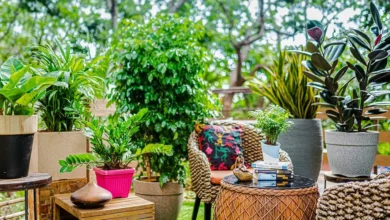

Designing a Home Garden & Outdoor Space That Enhances Comfort, Utility, and Long Term Value


Why Home Garden & Outdoor Design Matters
A well planned home garden & outdoor environment does more than improve curb appeal. It expands the usable footprint of your property, supports mental wellness, encourages outdoor living, and increases overall home value. As more homeowners in the United States seek spaces that blend relaxation, entertainment, and functional gardening, the home garden & outdoor category has evolved into a thoughtful combination of landscape design, architectural planning, and lifestyle optimization.
Creating a home garden & outdoor area requires a deep understanding of soil conditions, climate, plant behavior, material selection, and long term maintenance strategies. When these elements are intentionally combined, the result is a space that supports nature, enhances everyday living, and remains resilient over time.
Building the Foundation of an Effective Home Garden & Outdoor Plan
Thoughtful outdoor design begins with assessing the natural characteristics of your property. Understanding the land’s behavior before planting or installing structures ensures a stable and long lasting environment.
Evaluating Soil Structure and Drainage
Soil composition affects plant health, water usage, and longevity. A thorough assessment should include:
- Identifying soil type such as clay, sandy, loamy, or mixed
- Testing pH levels to determine compatibility with desired plants
- Checking drainage rates after rainfall
- Recognizing areas prone to erosion or water pooling
Healthy soil supports deep root systems and reduces the need for excessive fertilization.
Understanding Sunlight and Shade Patterns
Sun exposure shapes plant selection and outdoor functionality.
Track how the sun moves across your property to determine:
- Full sun areas ideal for vegetable gardens
- Partial shade areas suited for ornamentals
- Deep shade zones where groundcovers thrive
- Spots where heat reflection may be too intense
Properly matching plants to light conditions prevents disease, scorching, and slow growth.
Assessing Wind and Microclimates
Wind breaks, heat pockets, and cooler zones all influence plant selection and seating placement.
Microclimate considerations include:
- Wind direction and intensity
- Areas warmed by nearby walls
- Zones shaded by tall structures
- Low lying areas that trap cold air
Acknowledging microclimates leads to more efficient design choices.
Designing Outdoor Zones With Specific Purposes
The best home garden & outdoor layouts divide the property into functional zones. Each zone supports a different activity while maintaining visual and practical cohesion.
Relaxation and Lounge Zones
Relaxation zones should create a calm atmosphere and encourage slow living.
Common features include:
- Comfortable seating with weather resistant cushions
- Shade provided by pergolas, umbrellas, or climbing plants
- Soft lighting for evening use
- Privacy elements such as hedges, trellises, or bamboo screens
- Natural sound sources like rustling grasses or water features
A well designed lounge area offers a peaceful retreat after long days.
Outdoor Dining and Cooking Areas
Outdoor dining enhances year round living when properly planned.
Key considerations include:
- Flat, stable surfaces for tables and grills
- Adequate lighting for nighttime meals
- Weather resistant dining furniture
- Proximity to the indoor kitchen for convenience
- Heat sources like fire pits for cooler evenings
This zone often becomes the heart of family gatherings and social events.
Productive Gardening Zones
Gardening areas should be functional and easy to maintain.
Include:
- Raised beds for improved soil control
- Drip irrigation for water efficiency
- Trellises for climbing vegetables
- Tool storage or a compact shed
- Composting stations for nutrient recycling
Productive gardens supply fresh food and create rewarding routines.
Play and Recreation Zones
If the household includes children or pets, dedicated play spaces ensure safety and organization.
Ideas include:
- Soft, durable ground cover
- Fencing for secure boundaries
- Shade to prevent overheating
- Open lawn areas for running and activities
- Storage for outdoor toys and equipment
Recreation zones allow households to enjoy the outdoors in a structured way.
Selecting Plants That Thrive in Your Environment
Healthy plant selection is the foundation of a sustainable home garden & outdoor space.
Why Native Plants Are Valuable
Native plants naturally adapt to local weather and soil conditions.
Benefits include:
- Reduced water use
- Lower maintenance needs
- Stronger resistance to pests
- Better support for pollinators
- Improved long term growth rates
Native species contribute to ecological balance and long term garden health.
Incorporating Perennials, Annuals, and Shrubs
A diverse plant mix adds seasonal interest and consistent structure.
- Perennials return each year with minimal maintenance
- Annuals add color and variety
- Shrubs create backbone structure and privacy
- Trees provide shade and habitat
Planting layers creates a visually rich landscape.
Planning for Year Round Visual Appeal
Healthy gardens should look appealing throughout the seasons.
Strategies include:
- Evergreen shrubs for winter structure
- Spring bulbs for early color
- Summer blooms for height and vibrancy
- Autumn foliage for warm tones
- Ornamental grasses for winter movement
Seasonal planning keeps the garden dynamic and engaging.
Hardscaping That Supports Durability and Design
Hardscape elements shape the physical structure of outdoor spaces.
Choosing Strong, Weather Resistant Materials
Materials must withstand sun, rain, snow, and temperature changes.
Reliable options include:
- Natural stone for patios and paths
- Concrete pavers for modern appeal
- Brick for warmth and durability
- Treated wood for decks and borders
- Gravel for drainage friendly walkways
High quality materials reduce long term maintenance.
Improving Function With Structural Features
Good hardscaping improves both beauty and usability.
Examples include:
- Retaining walls to manage slopes
- Pathways that support smooth movement
- Built in seating for social areas
- Water features for tranquility
- Bridges for connecting zones
Structures should complement the land, not overwhelm it.
Creating Outdoor Lighting for Safety and Atmosphere
Lighting enhances usability and sets the tone for outdoor living.
Types of Outdoor Lighting
- Path lights for safe navigation
- String lights for ambiance
- Spotlights for plants or architectural features
- Lanterns for warm character
- Motion lights for security
A layered lighting approach ensures balanced illumination.
Designing Lighting for Nighttime Enjoyment
Proper lighting adds beauty after sunset.
Tips include:
- Using warm tones for relaxation
- Directing lights downward to reduce light pollution
- Highlighting focal points like trees or sculptures
- Installing low voltage systems for energy savings
Outdoor lighting transforms the space into a nighttime retreat.
Water Management and Sustainable Practices
Water management is essential for maintaining a healthy home garden & outdoor environment.
Conserving Water Strategically
Water efficiency protects the landscape during dry months.
Methods include:
- Mulching to retain soil moisture
- Installing drip irrigation
- Grouping plants with similar water needs
- Collecting rainwater in barrels
- Selecting drought resistant species
Conserving water ensures sustainable landscape health.
Supporting Local Ecosystems
Eco friendly outdoor spaces benefit both homeowners and the environment.
Practices include:
- Avoiding chemicals that harm pollinators
- Planting native flowers
- Providing bird friendly shrubs
- Creating habitats for beneficial insects
Healthy ecosystems contribute to richer garden experiences.
Outdoor Furniture That Increases Comfort and Longevity
Choosing the right furniture ensures long term enjoyment.
Selecting Weather Resistant Furniture
Outdoor furniture must withstand moisture, heat, and sunlight.
Durable options include:
- Powder coated metal
- Resin wicker
- Teak or other hardwoods
- Performance fabric cushions
Quality materials maintain their appearance through multiple seasons.
Arranging Furniture Strategically
Placement influences relaxation and usability.
Consider:
- Shaded areas for seating
- Smooth traffic flow
- Wind protection
- Space between pieces for comfort
- Access to outdoor lighting and tables
Smart arrangements create inviting environments.
Maintaining a Home Garden & Outdoor Space Throughout the Year
Maintenance ensures the space remains healthy and beautiful.
Seasonal Maintenance Breakdown
Spring
- Soil preparation
- Fertilizing
- Mulching
- Pruning and planting
Summer
- Regular watering
- Weed control
- Pest monitoring
- Plant deadheading
Fall
- Leaf cleanup
- Winter soil preparation
- Storing outdoor furniture
- Planting bulbs
Winter
- Protecting shrubs with covers
- Checking drainage
- Planning future projects
Seasonal care keeps the garden thriving.
FAQ
How can I create privacy in my home garden & outdoor area without installing a solid fence?
Use tall ornamental grasses, layered shrubs, trellises with climbing plants, or strategically placed trees. These natural barriers provide privacy while maintaining airflow and greenery.
What is the easiest way to start a low maintenance garden?
Begin with native plants, mulch heavily to reduce weeds, and install drip irrigation. This combination significantly cuts down on water usage and routine upkeep.
How do I keep outdoor furniture looking new?
Clean surfaces regularly, use weather resistant covers, store cushions during heavy rain, and apply protective sealants to wood and metal pieces when needed.
What outdoor features add the most property value?
High quality patios, landscaped walkways, healthy gardens, functional lighting, and well placed seating areas consistently boost home value and appeal.
How can I protect plants during extreme weather?
Use shade cloths during heat waves, insulate root zones with mulch, cover sensitive shrubs during frost, and ensure proper drainage during heavy rain.