

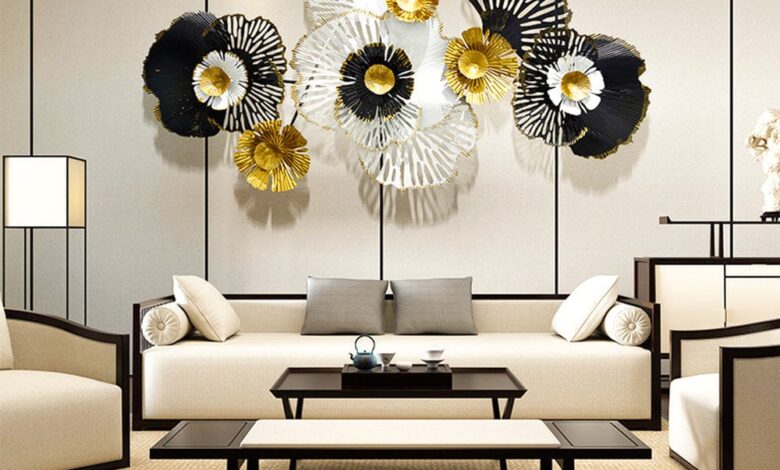
Why Furniture Decor Defines the Atmosphere of Your Home
Modern furniture decor shapes the identity, comfort, and livability of a home more than nearly any other design element. The placement, style, scale, and material of each piece influence how people move through a space, how welcoming a room feels, and how effectively a home supports everyday routines. As homeowners in the United States continue to refine their living environments, furniture decor has evolved into a thoughtful combination of aesthetics, ergonomics, and long term planning.
In many homes, furniture decor creates a sense of stability and personal expression. It sets the tone for how different rooms function, from quiet reading corners to lively family gathering areas. By understanding how furniture interacts with architecture, lighting, and color, homeowners can create environments that feel intentional, comfortable, and visually balanced.
The Building Blocks of Effective Furniture Decor
Strong furniture decor begins with clarity and strategy. Instead of randomly choosing individual pieces, the best approach involves understanding the purpose of each room and how furniture supports that purpose.
Identifying the Function of Each Space
A room’s function determines the type of furniture it needs.
Key considerations include:
- How many people regularly use the space
- Whether the area supports relaxation, entertainment, work, or dining
- What storage requirements exist
- How much floor space is available
- Which areas require flexible layouts
When design choices reflect actual daily needs, rooms become more efficient and enjoyable.
Understanding Scale and Proportion
One of the greatest challenges in furniture decor is selecting pieces that fit the room’s proportions. Oversized furniture overwhelms a small room, while tiny pieces make large rooms feel empty.
A balanced room should include:
- At least 30 inches of walking space around main furniture
- Seating scaled to ceiling height
- Coffee tables placed within comfortable reach
- Rugs sized large enough to anchor the room
Proportion impacts both beauty and functionality.
Evaluating the Room’s Architectural Features
Architecture plays a major role in furniture decor. Structural elements such as windows, doorways, built ins, and ceiling lines must be considered before placing a single piece.
Think about:
- Which areas receive natural light
- Whether sightlines should be preserved or softened
- Locations that support focal points, such as fireplaces or feature walls
- How furniture should flow with existing room divisions
Using architecture as a guiding framework helps create visually harmonious spaces.
Selecting Furniture That Supports Comfort and Longevity
Furniture must withstand daily use while maintaining its appearance and structural integrity. Because pieces like sofas, beds, and dining tables are long term investments, selecting them wisely is essential.
Prioritizing High Quality Materials
Quality materials significantly influence durability.
Reliable materials include:
- Hardwood frames for sofas, beds, and chairs
- High density foam or down blend cushions
- Durable upholstery such as linen blends or performance fabrics
- Solid wood or metal dining tables
- Leather or top grain alternatives for longevity
Pieces made with strong materials provide better value over time.
The Importance of Craftsmanship
Well crafted furniture supports posture, comfort, and long term use.
Signs of quality craftsmanship include:
- Reinforced drawer joints
- Smooth sliding mechanisms
- Tight upholstery with even stitching
- Stable frames that do not wobble
- Cushions that retain shape
Craftsmanship determines how well furniture performs under frequent use.
Balancing Aesthetics With Practicality
Even the most beautiful furniture must serve real purposes.
To balance looks and practicality:
- Choose fabrics that match your lifestyle
- Select pieces that offer hidden storage
- Pick finishes that are easy to maintain
- Ensure the style aligns with the home’s overall theme
The best decor blends comfort, function, and visual appeal.
Coordinating Furniture With Color and Texture
Color and texture are essential components of furniture decor. They influence how a room feels and how its elements relate to each other.
Working With a Cohesive Color Palette
Furniture should support the room’s color foundation rather than compete with it.
To create cohesion:
- Use a dominant color for large furniture pieces
- Add complementary colors through smaller items
- Choose wood tones that match the rest of the decor
- Keep undertones consistent throughout each room
A unified palette enhances balance and visual flow.
Layering Textures for Depth and Character
Texture prevents a room from feeling flat or one dimensional.
Effective texture layering includes:
- Soft textiles like throw blankets, cushions, and curtains
- Hard surfaces such as wood, stone, or metal
- Natural textures like rattan, cane, or jute
- Smooth materials including glass or ceramic
Combining textures creates warmth and visual interest.
Creating Focal Points With Furniture
Every well designed room includes one or two focal points that guide the eye and anchor the furniture arrangement.
Identifying Potential Focal Points
Potential focal areas include:
- Fireplaces
- Large windows
- Statement sofas
- Feature walls
- Oversized artwork
- Unique architectural features
The main furniture arrangement should support and enhance the focal point.
Arranging Furniture Around the Focal Feature
The placement of furniture establishes the room’s flow. Arrangement tips include:
- Positioning the main seating toward the focal point
- Ensuring easy pathways around furniture
- Balancing weight by placing larger items opposite each other
- Using accent chairs or side tables to complete the layout
A strategic layout improves comfort and visual structure.
Multi Functional Furniture That Maximizes Space
Modern living often requires flexibility. Multi functional furniture helps homeowners make the most of their square footage.
Common Multi Use Furniture Options
Examples include:
- Storage ottomans
- Sleeper sofas for guest accommodations
- Extendable dining tables
- Nesting tables for adaptable surfaces
- Bed frames with built in drawers
- Desks that convert into vanities
These choices support changing needs and limited space.
Why Flexibility Matters
As routines evolve, so must the home environment. Flexible furniture allows:
- Smooth transitions between work and relaxation
- Efficient use of small spaces
- Better organization
- Reduced need for additional purchases
Adaptability increases the long term value of every room.
Accessorizing Furniture to Create Visual Harmony
Accessories complete furniture decor by adding style and personality.
Using Decorative Elements to Enhance Furniture
Accessories should complement, not overwhelm, furniture.
Popular options include:
- Pillows that add contrast or texture
- Throws that soften seating areas
- Lamps that highlight furniture silhouettes
- Decorative trays for coffee tables
- Vases or sculptural pieces that add character
Accessories help tie all furniture elements together.
Styling Shelves and Side Tables
Small surfaces deserve thoughtful styling.
Guidelines include:
- Grouping items in odd numbers
- Varying heights and shapes
- Mixing functional and decorative elements
- Leaving open space to avoid clutter
Proper styling enhances furniture without crowding it.
How Lighting Interacts With Furniture Decor
Lighting is one of the most overlooked aspects of furniture decor.
Highlighting Furniture With Proper Lighting
Use lighting to emphasize furniture and create ambiance.
Approaches include:
- Placing lamps near seating for warmth
- Using wall sconces to highlight art or shelves
- Installing overhead lighting that complements furniture layouts
- Adding floor lamps to brighten dark corners
Lighting clarifies architecture and emphasizes key decor features.
Maintaining Furniture for Long Term Beauty
Longevity depends on consistent care and smart maintenance practices.
Practical Maintenance Tips
- Vacuum upholstered furniture regularly
- Rotate cushions to maintain shape
- Use coasters and trays to protect surfaces
- Tighten hardware when needed
- Condition wood and leather periodically
- Clean spills immediately
Regular maintenance preserves both appearance and performance.
The Value of Protecting High Use Items
High traffic pieces like sofas and dining chairs benefit from added protection such as slipcovers, stain resistant fabrics, or protective sprays.
Furniture Decor Trends Shaping Modern Homes
New trends focus on comfort, sustainability, and personalized aesthetics.
Current influential trends include:
- Earth tone furniture for grounding energy
- Curved silhouettes that soften room structure
- Mixed materials such as wood and metal
- Minimalist Scandinavian influences
- Oversized seating for deep comfort
- Vintage inspired pieces integrated with modern layouts
These trends support both function and style.
FAQ
How do I choose the right size sofa for my living room?
Measure the room’s width, height, and walking paths. The sofa should allow at least 30 inches of clearance for movement and should not block natural focal points or windows.
What furniture pieces add the most value to a home’s decor?
Quality sofas, durable dining tables, ergonomic beds, and well designed storage pieces provide long term value and greatly influence overall style.
How do I mix different furniture styles without clashing?
Choose one dominant style, then incorporate complementary elements using consistent colors, textures, and materials to maintain harmony.
What is the best way to decorate a room with limited space?
Use multi functional furniture, vertical storage, light colors, mirrors, and streamlined pieces to maximize space without overwhelming the room.
How can I make furniture decor more child or pet friendly?
Choose stain resistant fabrics, rounded edges, washable covers, and durable materials. Low maintenance pieces help maintain both safety and appearance.


