

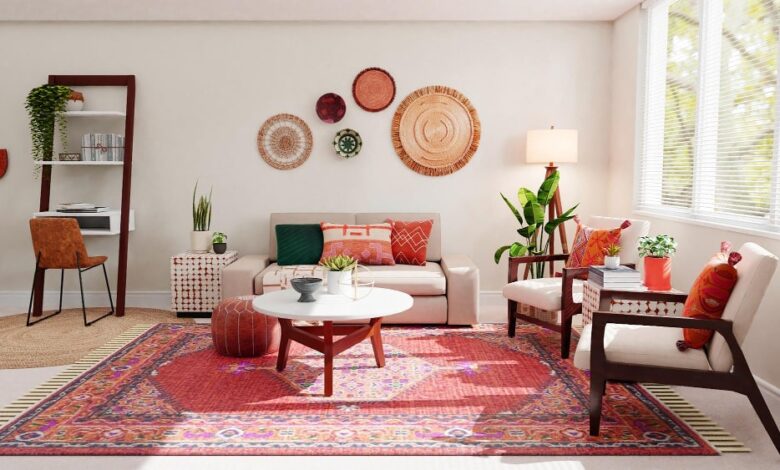
Why Home Decor Shapes the Way You Live
Modern home decor plays a powerful role in how people feel and function in their living spaces. The choices made throughout a home influence mood, productivity, and the overall sense of comfort. Today’s homeowners in the United States treat decor not just as visual styling but as a meaningful expression of lifestyle, wellness, and long term planning. Whether someone is designing a new space or refreshing an existing one, a thoughtful approach to home decor helps create harmony, purpose, and cohesion across every room.
In many households, home decor has become a blend of personal expression and practical needs. By understanding how layout, lighting, color, and furnishings interact, individuals can create spaces that feel stable, inviting, and adaptable to changing routines.
The Foundations of Effective Home Decor
The best home decor begins with a deep understanding of how a space is used. A well designed room is visually appealing, highly functional, and easy to maintain.
Establishing a Decor Vision
Every home benefits from a clear vision before purchasing furniture or accessories. This allows homeowners to avoid mismatched items and ensures that each design choice serves a purpose.
A strong vision includes:
- Desired atmosphere such as calm, bright, minimalist, or cozy
- Long term lifestyle needs in the space
- Preferred materials, colors, and textures
- Space planning including traffic flow and room function
A guiding vision keeps the home decor cohesive and intentional.
Understanding Your Home’s Architecture
Architecture influences decor more than many people realize. Room height, window placement, natural light, and wall shapes affect which design elements will feel proportional and balanced.
Consider:
- Whether the room supports large scale or compact furniture
- How natural light affects color choices
- Whether structural elements such as beams or alcoves should be highlighted or softened
- The flow between connected rooms
By working with the natural layout rather than against it, homeowners create a stronger foundation for successful decor.
Choosing Colors That Influence Mood and Perception
Color is one of the most influential aspects of home decor. The right palette can transform how a room feels and functions.
Exploring Color Psychology
Different tones trigger different emotional responses.
Common effects include:
- Warm neutrals for comfort and calm
- Deep blues for stability and focus
- Soft greens for balance and relaxation
- Charcoal tones for sophistication
- Light grays for clean, modern energy
Homeowners benefit most when they choose colors based on how they want to feel in the space.
Creating a Cohesive Color Scheme
A cohesive palette allows rooms to connect visually.
Effective strategies include:
- Selecting a dominant base color
- Adding complementary accent tones
- Using consistent undertones throughout the home
- Incorporating repeating textures or materials
A unified color scheme creates a home that feels purposeful and polished.
Selecting Furniture With Longevity and Comfort in Mind
Furniture is one of the largest investments in any home decor plan. Rather than focusing solely on visuals, homeowners should prioritize function, comfort, and long term durability.
Prioritizing Material Quality
High quality materials ensure that decor remains beautiful and structurally sound.
Look for:
- Hardwood frames for sofas and chairs
- Reinforced joints for stability
- Fabrics that resist fading and staining
- Natural materials that age gracefully
Well made furniture enhances long term value and reduces replacement needs.
Balancing Scale and Proportion
Large furniture in a small room makes the space feel cramped, while undersized pieces in a large room feel insignificant.
To achieve balance:
- Measure doorways and wall lengths
- Choose pieces that allow comfortable walking paths
- Pair tall items with visually grounding elements
- Use rugs to define seating areas
Proportion impacts visual harmony and practical movement.
The Role of Textures and Fabrics in Creating Depth
Texture adds richness and dimension, preventing a room from feeling flat.
Layering Textures for Visual Interest
Layering textures allows for a more dynamic experience.
Common options include:
- Soft fabrics like cotton, linen, velvet, and wool
- Natural elements like wood, stone, leather, and woven materials
- Smooth finishes such as glass, metal, and ceramic
Combining these elements helps balance softness and structure across the room.
Choosing Fabrics for Everyday Use
Fabric choice should reflect the home’s activity levels.
Practical fabrics include:
- Stain resistant materials for high traffic areas
- Washable covers for sofas used by kids or pets
- Breathable, natural fibers for bedding
- Thick, durable textiles for window treatments
Choosing fabrics with care ensures both comfort and longevity.
Wall Decor That Adds Personality and Purpose
Walls influence how a space feels more than many homeowners realize.
Statement Walls
A statement wall can highlight a room’s purpose or create a focal point.
Options include:
- Bold paint colors
- Textured wallpaper
- Wood paneling
- Large scale artwork
Statement walls work best when used sparingly for intentional impact.
Incorporating Art and Photography
Art personalizes a home and reflects the owner’s tastes.
Effective placement involves:
- Hanging frames at eye level
- Balancing large pieces with surrounding furniture
- Creating gallery walls that tell a story
- Incorporating mixed frame materials for character
Meaningful artwork brings emotional depth to the decor.
Lighting That Enhances Decor and Function
Without proper lighting, even the most thoughtfully decorated home can feel dull.
Layered Lighting Techniques
Balanced lighting includes three essential layers:
- Ambient lighting for general brightness
- Task lighting for work or reading areas
- Accent lighting for highlighting decor
Layered lighting ensures that each room functions well at all hours.
Using Lighting as a Decor Element
Lighting fixtures serve as both functional and decorative elements.
Popular choices include:
- Chandeliers for living and dining rooms
- Sconces that add soft, glowing warmth
- Table lamps for decorative accents
- Floor lamps for filling dark corners
Lighting has the power to transform an atmosphere instantly.
Decor Accessories That Bring a Room to Life
Thoughtfully chosen accessories add personality and warmth.
High Impact Accessories
- Decorative pillows
- Area rugs
- Mirrors that reflect light and add depth
- Plants for natural vibrancy
- Books and personal keepsakes
Accessories should complement the overall decor theme rather than overwhelm it.
Styling Shelves and Surfaces
Shelves and surfaces need organized styling to avoid clutter.
Use:
- Groups of objects at varying heights
- A mix of functional and decorative pieces
- Open space to prevent visual overload
Balanced styling makes a room feel intentional and welcoming.
Bringing Nature Into the Home
Natural elements support mental wellness and create a calming environment.
Benefits of Indoor Greenery
Plants improve air quality and enhance visual appeal.
They also:
- Boost mood and reduce stress
- Add organic texture
- Bring color into neutral spaces
Even small plants can make a significant impact.
Natural Materials Throughout the Home
Wood, stone, and woven fibers bring grounding qualities into decor.
Their benefits include:
- Timeless visual appeal
- Long term durability
- Ease of incorporation into various styles
Natural elements prevent spaces from feeling overly synthetic.
Creating Spaces With Multi Use Functionality
Today’s homes must support a variety of activities, especially with more people working or studying from home.
Designing Flexible Areas
Multi use areas may include:
- Living rooms that double as workspaces
- Bedrooms with reading nooks
- Dining rooms that accommodate remote work
- Entryways with built in storage
Flexible spaces ensure the home remains practical for evolving lifestyles.
Home Decor for Long Term Value
Decor choices influence a home’s future resale potential.
Value Boosting Decor Decisions
- Neutral paint colors
- Quality flooring
- Well lit spaces
- Organized storage solutions
- Timeless furniture styles
These elements appeal to a wide range of future buyers.
FAQ
How can I refresh my home decor without buying all new furniture?
Use updated paint colors, new textiles, rearranged furniture, added greenery, or fresh lighting fixtures to refresh the space without a major investment.
What is the easiest way to create a cohesive look across my home?
Choose a consistent color palette, repeat similar materials, and maintain a unified design vision to ensure each room flows naturally into the next.
How do I choose art that fits my decor style?
Look for pieces that reflect your personality, align with your color scheme, and match the scale of the wall space. Art does not need to be expensive to be impactful.
What decor elements make a small room feel larger?
Mirrors, light colors, vertical lines, and appropriately scaled furniture can visually expand a small room without altering its structure.
How can I keep my decor functional for kids and pets?
Choose durable fabrics, rounded edge furniture, washable rugs, and storage solutions that simplify cleanup while maintaining a stylish environment.


