
The Evolving Role of Household Technology
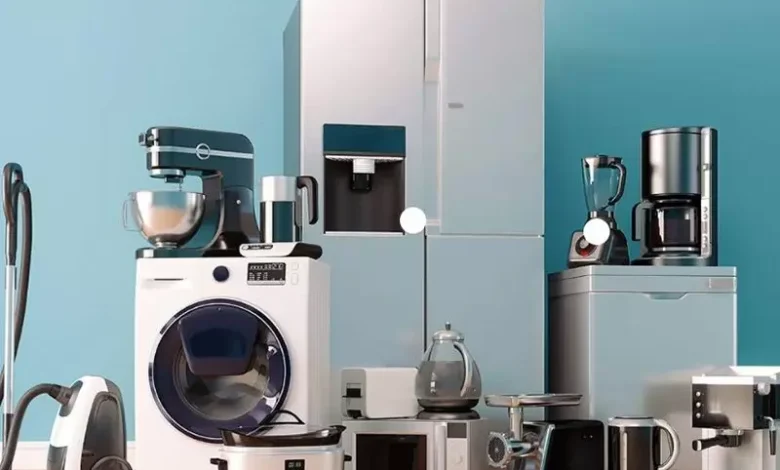
Modern Appliances have shifted from simple mechanical tools to smart, efficient, and interconnected systems that influence nearly every aspect of domestic life. Within the first decades of widespread consumer technology, households relied on devices that performed basic functions with limited customization. Today, the landscape has transformed dramatically, with homeowners prioritizing performance, energy efficiency, and long-term reliability. These expectations have changed how homeowners select, maintain, and upgrade their everyday devices.
As families continue to seek comfort, convenience, and predictable utility costs, the world of Appliances has become a field where innovation meets necessity. Homeowners are more willing than ever to invest in advanced setups that support better living, reduce waste, and streamline routines.
How Innovation Is Redefining Household Functionality
Technological advancements have substantially modernized the home environment. From refrigerators that manage internal climate zones to washers that fine-tune water usage based on load weight, innovation directly impacts daily routines. These improvements go beyond convenience, influencing safety, energy consumption, and long-term household planning.
Core Improvements Seen in Today’s Appliances
- Intelligent sensors that regulate internal operations in real time
- Connectivity features enabling remote control or automation
- Durable materials that extend product lifespan
- Designs that complement modern interior aesthetics
- Software-driven adjustments enhancing efficiency and ease of use
These improvements are no longer reserved for luxury homes. They are now an expected baseline for many buyers seeking functional and dependable household tools.
Energy Efficiency as a Priority for Homeowners
Energy consumption is a topic of increasing urgency. With rising utility prices and widespread environmental concerns, homeowners evaluate appliances based on how effectively they use resources like electricity, gas, and water. The focus has shifted from upfront cost to total cost of ownership.
What Makes an Appliance Energy Efficient
Energy efficient devices typically include:
- Low power consumption during regular operation
- Smart load sensing that prevents unnecessary overuse
- Insulated materials that maintain performance with less energy
- Features that minimize idle energy draw
- Optimized heating and cooling cycles
When households adopt energy efficient equipment, they benefit from lower bills, reduced environmental impact, and longer-lasting internal components due to lighter operational demands.
Smart Appliances and the Connected Home
The connected home model has evolved alongside the rise of mobile apps, virtual assistants, and voice-controlled systems. Smart appliances help homeowners create automated environments that support daily comfort and remove repetitive tasks.
Practical Benefits of Smart Integration
Smart features offer more than novelty:
- Remote scheduling and monitoring when away from home
- Alerts for maintenance, performance issues, or safety risks
- Automated energy optimization based on usage patterns
- Ability to customize temperature, timing, or cycles with precision
- Syncing with other home systems for comprehensive automation
For example, a smart thermostat can communicate with air purifiers or air conditioners, helping them adjust performance depending on the indoor environment.
Essential Appliances and Their Impact on Daily Living
Across the home, different categories of appliances serve unique functions that collectively improve quality of life. Understanding their role helps homeowners make well-informed purchasing decisions.
Kitchen Appliances
The kitchen is a hub of daily activity, making its devices some of the most essential in the home. From cooking to storage, kitchen equipment affects nutrition, convenience, and family routines.
Key components include:
- Refrigerators with multi-zone cooling
- Ovens with pre-programmed cooking modes
- Dishwashers offering targeted spray zones
- Microwaves with sensor-based heating
- Cooktops that balance precision and safety
These systems must balance performance with safety while supporting modern cooking habits.
Laundry Appliances
Laundry equipment has evolved to provide better garment care and more efficient cycles. Modern washers and dryers protect fabrics, reduce water consumption, and shorten cycle times.
Important features include:
- Load recognition to adjust water levels
- Steam functions for reduced wrinkles
- Moisture sensors for precise drying
- Eco cycles that minimize power consumption
Families often consider noise level, drum capacity, and long-term reliability when choosing laundry systems.
Climate Control Appliances
A comfortable home depends on steady indoor temperature and air quality. Devices that regulate climate play a crucial role in daily health and comfort.
Common options include:
- Air conditioners tailored to room size
- Purifiers that remove allergens and pollutants
- Dehumidifiers and humidifiers for moisture control
- Heaters designed for even heat distribution
These technologies are especially important in areas with extreme temperatures or seasonal humidity shifts.
Cleaning Appliances
Cleaning tools significantly reduce time spent on chores, making home upkeep more manageable.
Popular types include:
- Vacuums with advanced filtration systems
- Robot cleaners that navigate automatically
- Steam cleaners that sanitize surfaces
- Outdoor pressure washers for home exteriors
These innovations promote healthier living environments and help maintain property value.
Choosing the Right Appliances for Your Lifestyle
Selecting the right household equipment depends on more than brand recognition. Homeowners benefit from evaluating lifestyle demands, square footage, long-term goals, and the expected level of daily usage.
Factors to Consider Before Making a Purchase
- Space Requirements: Ensure appliances fit designated areas without limiting movement or airflow
- Usage Frequency: Choose products designed for your household size and routine
- Material Quality: Look for durable internal components and corrosion-resistant finishes
- Maintenance Needs: Compare ease of cleaning, filter replacement, or part accessibility
- Noise Level: Particularly important for smaller homes or open floor plans
- Smart Features: Consider whether connectivity genuinely benefits your routine
Evaluating these factors helps homeowners make purchases that feel intentional and satisfy long-term needs.
Proper Maintenance to Extend Appliance Lifespan
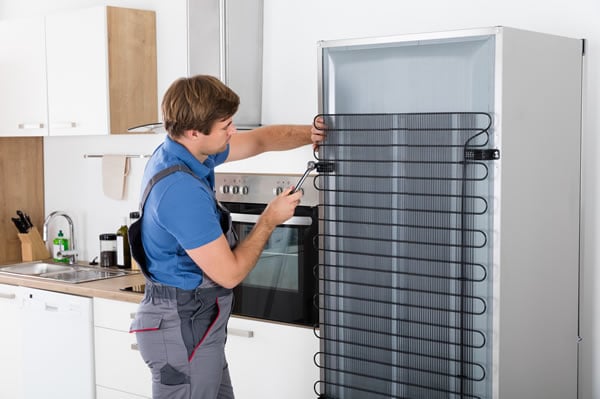
Routine maintenance is essential for safety and performance. Even the highest-quality equipment requires care to prevent breakdowns and maintain efficiency.
Key Maintenance Practices
- Regularly clean vents, filters, and internal compartments
- Inspect electrical cords and water lines
- Avoid overloading washers, dryers, or dishwashers
- Schedule professional checks for complex systems
- Use recommended parts and cleaning products
A well-maintained system runs more quietly, lasts longer, and delivers consistent results.
Safety Considerations When Using Household Appliances
Responsible use prevents hazards and keeps families safe. Many modern systems include built-in protections, but homeowners must still follow proper procedures.
Safety Measures to Keep in Mind
- Never leave heating or cooking devices unattended
- Keep chemicals and cleaning agents away from heat sources
- Avoid plugging multiple high-power devices into one outlet
- Allow electronics to cool before cleaning or servicing
- Follow manufacturer guidelines for installation and operation
These habits reduce risk and help maintain warranty coverage.
The Future of Household Appliances
The next generation of appliances will continue to blend technology with sustainability. Manufacturers are exploring renewable energy integration, recycled materials, and AI-driven personalization that adapts to user behavior.
Emerging trends include:
- Self-diagnosing equipment that identifies internal issues
- Appliances that monitor usage and suggest adjustments
- Advanced insulation and energy reclamation systems
- Modular designs that allow easy upgrading
These innovations are shaping homes that prioritize sustainability, comfort, and adaptability.
FAQ
How long should most household appliances last?
Most major home devices last between eight and fifteen years depending on usage, maintenance, and design quality. Regular cleaning and proper care can add several extra years of dependable operation.
What features should I look for when buying smart appliances?
Look for intuitive interfaces, reliable connectivity, security features, and compatibility with your existing home ecosystem. Useful functions include remote control, energy monitoring, and automated cycle scheduling.
Are energy efficient appliances worth the investment?
Yes. Although the initial cost may be higher, energy efficient systems use fewer resources, lower monthly bills, reduce environmental impact, and experience less internal strain, which often extends their lifespan.
How can I reduce noise from appliances in a small home?
Choose devices designed with quiet operation modes, insulated housing, and vibration control. Proper installation and leveling also play a major role in minimizing noise.
What maintenance tasks make the biggest difference?
Cleaning filters, inspecting hoses, avoiding overloading, and performing routine internal cleaning have a major impact on performance, energy use, and durability.
If you’d like, I can also produce a version tailored to a specific audience or expand the article even further.